Crime Scene Cleanup in Arlington, TX
Professional Crime Scene Cleanup in Arlington, TX — Licensed, Insured & Locally Owned
Trusted Crime Scene Cleanup in Arlington, TX — most insurance pays 100%. We bill directly, handle your claim & respond 24/7. Call (817) 674-4143 now.
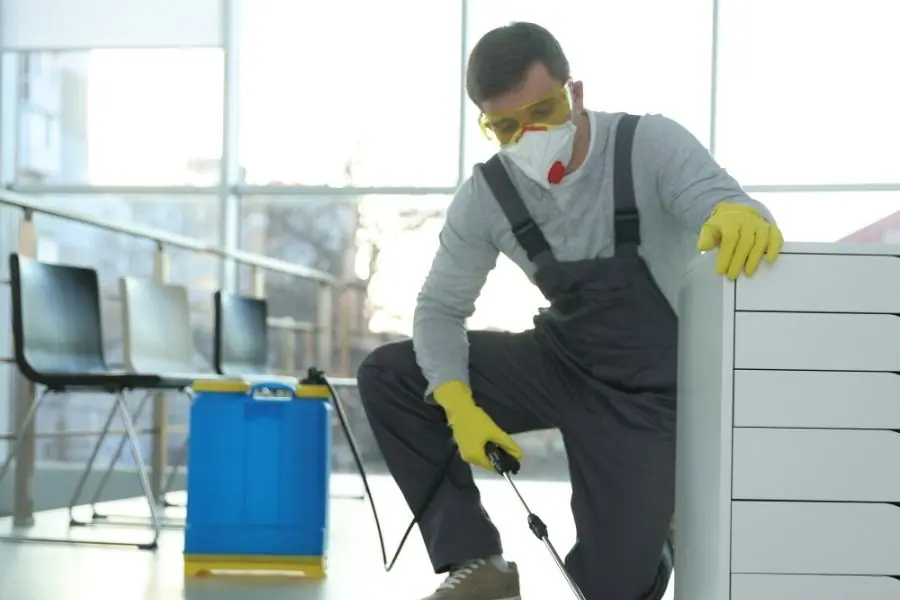
Crime scene cleanup — also called biohazard remediation or trauma scene cleanup — is the professional process of safely removing blood, bodily fluids, tissue, and other biological hazards from a property following a traumatic event. Unlike standard janitorial services, this work requires specialized training, hospital-grade disinfectants, and strict adherence to OSHA bloodborne-pathogen standards.
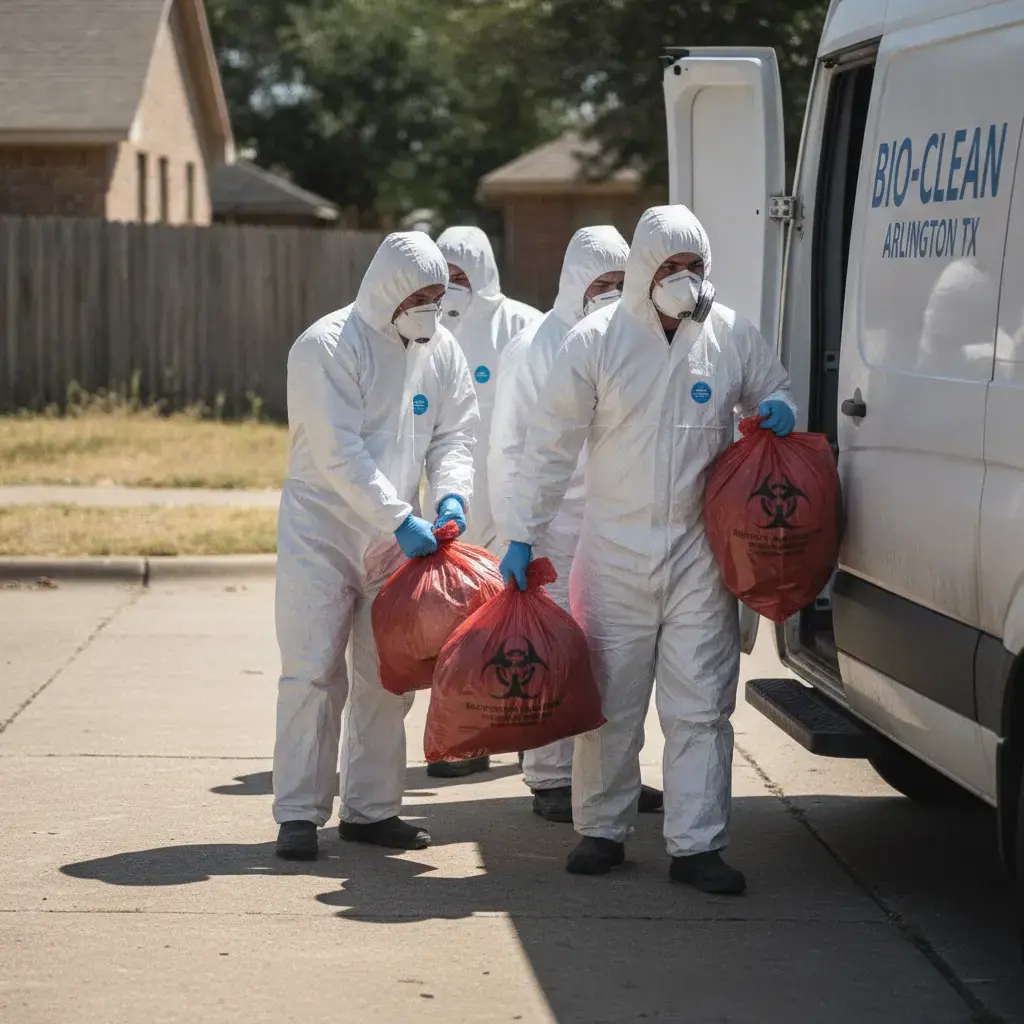
In Arlington, TX — a city of more than 394,000 residents spanning from the Entertainment District near AT&T Stadium to established residential communities like Dalworthington Gardens and Pantego — the need for discreet, compassionate, and thorough crime scene cleanup can arise without warning. Trusted Crime Scene Cleanup responds 24 hours a day, 7 days a week across Arlington and all surrounding Tarrant and Dallas County communities.
Read moreShow less
Best of all, this service typically costs you nothing out of pocket. Most homeowners and property insurance policies cover professional biohazard cleanup in full. Call (817) 674-4143 for immediate, confidential assistance.
Understanding Crime Scene Cleanup
Crime scene cleanup is a specialized branch of biohazard remediation that addresses the aftermath of violent crimes, accidents, suicides, unattended deaths, and other traumatic events. Law enforcement and emergency medical personnel are responsible only for their investigative and life-saving duties; the physical cleanup of biological material is left entirely to the property owner — unless a professional remediation team is called in.
Bloodborne pathogens such as HIV, Hepatitis B, and Hepatitis C can survive on surfaces for days or even weeks outside a living host. Decomposition produces volatile organic compounds and harmful bacteria that penetrate porous materials — drywall, subflooring, carpet padding, and concrete block — far beyond what is visible to the naked eye. Without professional intervention using ATP meters, luminol testing, and industrial-strength EPA-registered disinfectants, properties can harbor invisible biological hazards long after a traumatic event.
Read moreShow less
The profession itself formally emerged in the late 1990s as OSHA standards for bloodborne pathogens (29 CFR 1910.1030) became more broadly enforced outside healthcare settings. Today, the crime scene cleanup industry serves residential properties, commercial buildings, vehicles, and public spaces nationwide.
In Arlington, the combination of dense residential subdivisions, older housing stock in neighborhoods like West Arlington (where many homes date to the 1950s and 1960s), high-density apartment complexes along I-20 and Highway 360, and a busy urban core creates a diverse range of property types and structural challenges for biohazard remediation. Porous materials common in mid-century construction — such as original hardwood subfloors and plaster walls — require more intensive treatment protocols than modern materials. Our technicians understand these local building characteristics and adapt their methods accordingly.
Services under the crime scene cleanup umbrella include: biohazard cleanup services, trauma scene cleanup, unattended death cleanup, suicide cleanup, decomposition cleanup, meth lab cleanup, and fentanyl decontamination.
Why Crime Scene Cleanup Is Needed in Arlington, TX
Crime and Trauma Statistics
According to FBI Uniform Crime Reporting data and the Texas Department of Public Safety, Tarrant County consistently records thousands of violent crimes annually, with Arlington accounting for a significant share given its size as the county’s largest city by population. Events such as homicides, aggravated assaults, and accidents resulting in serious injury or death leave behind biological contamination that only certified cleanup professionals can safely address.
Unattended Deaths in a High-Density City
Arlington’s large population of single-occupant households, particularly in the apartment corridors along East Division Street, South Collins Street, and the Hwy 287 corridor near Kennedale, increases the likelihood of unattended or undiscovered deaths. North Texas summers — with average high temperatures exceeding 97°F in July and August — dramatically accelerate decomposition timelines. A body undiscovered for even 48–72 hours in a non-air-conditioned space during a Texas summer can produce severe odor, fluid saturation into flooring, and structural contamination requiring demolition of affected materials.
Extreme Heat and Accelerated Decomposition
The DFW area’s climate — classified as humid subtropical (Köppen Cfa) — means that from late May through September, interior temperatures in unoccupied buildings can exceed 110°F. This heat accelerates the decomposition process and the resulting spread of bacteria and fluids into subflooring, wall cavities, and HVAC systems. Properties in older South Arlington neighborhoods such as Woodland Springs and Meadowbrook, where slab-on-grade construction is common, face particular risk of fluid migration into the slab itself.
Drug Activity and Chemical Contamination
Law enforcement activity in Tarrant County has documented ongoing issues with methamphetamine production and, increasingly, fentanyl trafficking in residential properties across the region. Meth lab residue and fentanyl powder contamination are invisible hazards that pose lethal risks — as little as 2 milligrams of fentanyl can be fatal upon skin contact or inhalation. Properties in Arlington that have been used for drug activity require specialized meth lab cleanup and fentanyl decontamination protocols that go far beyond standard cleaning.
Infectious Disease Risks
High foot traffic at shared housing, extended-stay motels along I-20, and aging public infrastructure in certain Arlington zip codes (76010, 76011) creates conditions where infectious disease decontamination is periodically required. Bloodborne pathogen exposure incidents at these locations demand the same rigorous response as a traditional crime scene.
Free, no-obligation estimates
Talk to Trusted Crime Scene Cleanup
Tell us what you need and we’ll take it from there.
Signs You Need Professional Crime Scene Cleanup
Visible Biological Contamination
- Blood, tissue, or bodily fluids visible on floors, walls, ceilings, or furnishings
- Staining on carpet, hardwood, tile grout, or concrete that has penetrated the surface
- Visible decomposition residue or insect activity (flies, maggots) associated with a death
Odor Indicators
- Persistent, foul odor that does not dissipate after ventilation — a hallmark of decomposition or biohazard contamination
- Chemical odors suggestive of drug manufacturing (ammonia, solvent, or sulfurous smells)
- Odor returning after initial cleaning attempts, indicating deeper contamination below the surface
Structural and Environmental Indicators
- Warped or stained subfloor, particularly in slab-on-grade homes common in South and West Arlington
- Discoloration of drywall or plaster indicating fluid absorption
- Property recently used as a meth lab or drug storage location — even without visible residue
Situation-Based Urgency
- Law enforcement has completed their investigation and cleared the scene for remediation
- A medical examiner or coroner has removed remains but biological material remains on-site
- You or anyone in the property has attempted cleanup without personal protective equipment (PPE)
If any of these conditions apply, do not attempt DIY cleanup. Call Trusted Crime Scene Cleanup immediately at (817) 674-4143.
Crime Scene Cleanup Methods and Approaches
1. Bloodborne Pathogen Remediation Protocol
For homicides, suicides, and trauma scenes involving significant blood loss, we follow a strict OSHA 29 CFR 1910.1030-compliant protocol. All porous materials with blood saturation deeper than the surface layer are removed rather than cleaned in place. This is especially important in Arlington’s older West Side homes where original wood subfloor can wick fluid several feet from the visible contamination point.
2. Decomposition and Unattended Death Cleanup
Decomposition scenes require removal of all affected materials, treatment of structural components with enzymatic digesters that break down organic residue at the molecular level, and extended odor neutralization cycles. Learn more about our decomposition cleanup services.
3. Meth Lab and Fentanyl Decontamination
Chemical decontamination follows a multi-phase HEPA vacuuming, wet-wash, and air sampling protocol. Fentanyl scenes require fully encapsulated Level B or Level C PPE depending on concentrations detected. All surfaces are tested post-decontamination to verify chemical levels are below Texas Department of State Health Services thresholds. Learn about our fentanyl decontamination process.
4. Infectious Disease Decontamination
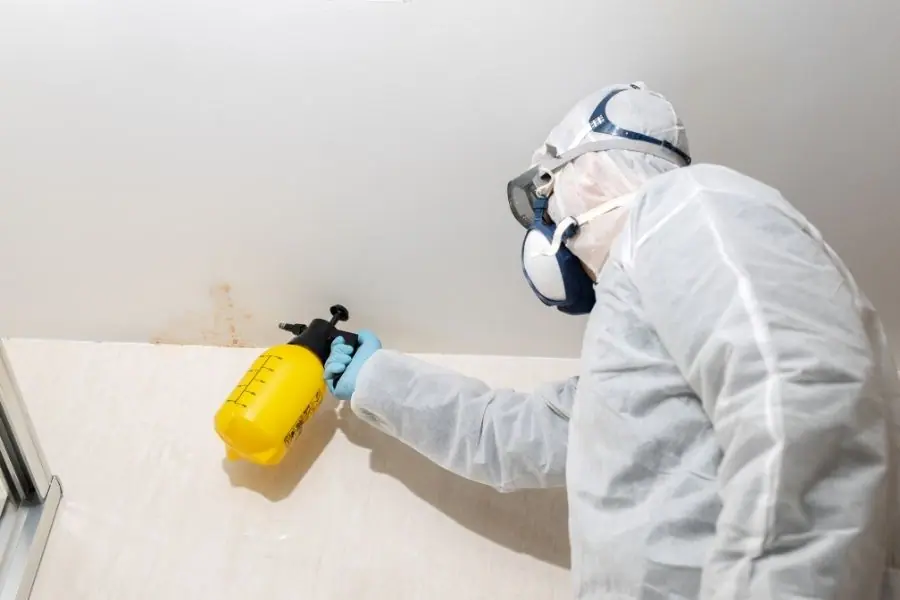
For properties where communicable disease exposure has occurred, we apply broad-spectrum EPA List N-compliant disinfectants effective against viruses and bacteria, followed by HEPA air filtration to address airborne particulate. See our infectious disease decontamination services.
5. Vehicle Biohazard Cleanup
Traumatic events occurring in vehicles require removal of seats and interior panels to access contamination beneath — a step often overlooked. We service vehicles throughout the Arlington area.
Crime Scene Cleanup Cost in Arlington, TX — And Why It Likely Costs You $0
Typical Price Ranges (Before Insurance)
For transparency, here are typical market rates for crime scene cleanup in the Arlington, TX area:
- Small trauma scene (single room, limited contamination): $1,500 – $3,500
- Moderate crime scene (multiple rooms or significant blood volume): $3,500 – $8,000
- Unattended death / decomposition (extended time period): $5,000 – $15,000+
- Meth lab cleanup: $5,000 – $25,000+ depending on lab size and contamination levels
- Fentanyl decontamination: $3,000 – $15,000 depending on surface area affected
What Affects Cost
- Size of the affected area (square footage)
- Type and volume of biological material
- How deeply contamination has penetrated structural materials (critical in slab-on-grade homes throughout South Arlington)
- Time elapsed since the event (longer = more contamination spread)
- Whether structural material removal and replacement is required
Read moreShow less
Our Promise on Cost
We provide a complete, written assessment before any work begins. We work with all major insurance carriers operating in Texas — including State Farm, Allstate, USAA, Farmers, and Travelers — and we handle all documentation, communication, and billing. If for any reason insurance does not cover your specific situation, we will discuss all available options transparently. Learn more about our insurance billing process.
Arlington Neighborhoods We Serve
Pantego and Dalworthington Gardens
These small incorporated communities surrounded by Arlington feature older ranch-style homes built primarily in the 1950s–1970s. Original hardwood subfloors and plaster walls in these properties require specialized handling during biohazard remediation.
West Arlington (Near UTA and Abram Street Corridor)
High-density student housing and older single-family homes near the University of Texas at Arlington create unique service demands. Multi-unit properties present particular challenges for containing contamination to a single unit.
South Arlington (Hwy 287 Corridor, Kennedale Border Areas)
Newer slab-on-grade construction dominates this area, but fluid migration into concrete slabs during decomposition scenes can require specialized extraction and sealing. We serve the adjoining communities of Kennedale and Mansfield as well.
East Arlington (Meadowbrook, Green Oaks Corridor)
Mid-century homes in the Meadowbrook neighborhood and surrounding East Arlington areas feature original materials that require careful materials assessment before remediation begins.
We also serve: Fort Worth, Grand Prairie, Irving, Hurst, Euless, Bedford, and all surrounding communities.
FAQ
Frequently Asked Questions — Crime Scene Cleanup in Arlington, TX
Does my homeowners insurance cover crime scene cleanup in Arlington, TX?
Most standard homeowners and property insurance policies in Texas do cover professional crime scene and biohazard cleanup as part of the property damage coverage. Policies issued by major carriers including State Farm, Allstate, Farmers, USAA, and Travelers typically include this coverage. We recommend calling us first — we’ll verify your coverage and handle the claim for you at no charge. Note: Coverage depends on your specific policy; we cannot guarantee every policy covers every situation, but in our experience, most do.
How much does crime scene cleanup cost in Arlington, TX if I pay out of pocket?
Without insurance, costs typically range from $1,500 for a small, limited-contamination scene to $15,000 or more for a full decomposition or meth lab remediation. However, we strongly encourage you to let us check your insurance coverage before assuming you’ll pay out of pocket — the majority of our Arlington clients pay $0.
How quickly can you respond to an Arlington location?
We dispatch immediately upon receiving your call and typically arrive within 60 to 90 minutes anywhere in Arlington — including outlying areas near Kennedale, Dalworthington Gardens, and the I-20/Highway 360 interchange. Response time is 24/7, including weekends and holidays.
Are you required to clean up after police have finished their investigation?
Yes. Arlington Police Department and all Texas law enforcement agencies are responsible only for the investigation — not the physical cleanup. Once the scene is released by police, cleanup responsibility falls entirely to the property owner. Professional remediation is not legally mandatory, but attempting DIY cleanup without proper training and equipment puts you at serious health and legal risk.
How long does crime scene cleanup take?
A small trauma scene may be completed in 4–6 hours. A decomposition scene in an older Arlington home with fluid penetration into subfloor materials may require 1–3 full days. We provide a realistic timeline estimate during our initial assessment before any work begins.
Can odor from a decomposition scene in an Arlington home be fully eliminated?
Yes, in virtually all cases. We use industrial hydroxyl generators and thermal fogging — not masking agents — to neutralize odor-causing compounds at the molecular level. In cases where odor has saturated plaster walls or original hardwood common in older Arlington neighborhoods, we may recommend removal and replacement of those materials, which is typically covered by insurance.
Do you handle biohazard cleanup in vehicles in Arlington?
Yes. We provide full biohazard remediation for vehicles, including removal of interior panels and seating to access contamination beneath the surface. This service is available throughout the Arlington area. Learn more about vehicle biohazard cleanup.
What areas near Arlington do you serve?
We serve all of Arlington and the surrounding communities including Fort Worth, Grand Prairie, Irving, Hurst, Euless, Bedford, Kennedale, Mansfield, Cedar Hill, Duncanville, Forest Hill, Haltom City, Pantego, Richland Hills, North Richland Hills, and Dalworthington Gardens.
Get Immediate, Insurance-Covered Crime Scene Cleanup in Arlington, TX
You don’t have to face this alone — and you shouldn’t have to pay for it either. Trusted Crime Scene Cleanup is available 24 hours a day, 7 days a week to respond anywhere in Arlington, TX and the surrounding DFW communities.
Most homeowners and property insurance policies cover 100% of our services. We bill your insurance directly and manage the entire claim process. Your only job is to make one call.
Discreet. Compassionate. Insurance-Handled. Trusted Crime Scene Cleanup — serving Arlington, TX and all of Tarrant and Dallas County.
Why choose us
Why choose Trusted Crime Scene Cleanup?
Free estimates
Get a clear, no-obligation estimate before any work begins.
Licensed & insured
Your property and our crew are protected on every project.
Residential & commercial
One team for homes, multi-family and commercial properties.
Locally owned & operated
A local team serving your community and the surrounding area.
Get in touch
Find crime scene cleanup help near you
Request a free estimate online or give us a call — our team will follow up quickly.
- Call us+1 (945) 941 21-70
- Hours24h