Crime Scene Cleanup Cost and What Insurance Covers
Crime scene cleanup cost depends on what happened, how far contamination spread, which materials it reached, and how much time passed before cleanup began. For most residential jobs, general industry estimates fall between about $1,500 and $5,000. Minor incidents can cost less, and severe or widespread contamination can exceed $20,000 to $25,000. These are broad industry figures, not our prices. Trusted Crime Scene Cleanup gives a written quote only after a free inspection.
This page explains the cost ranges by scenario, what drives the price, and how insurance and state victim compensation programs often pay for the work. It also covers financing and how to get an accurate estimate quickly. If you need help now, our team is available 24/7 at +1 (945) 941 21-70.
How much does a biohazard clean up cost?
Industry sources commonly place biohazard and crime scene cleanup between about $1,500 and $5,000 for a typical residential job. Small, contained incidents can cost less, and large or long-undiscovered scenes can exceed $20,000 to $25,000.
The range is wide because no two scenes are alike. A small amount of blood on a sealed tile floor may need only a few hours of disinfection. A scene where fluids soaked through carpet and padding into the subfloor needs demolition and removal of the affected materials. It also needs regulated biohazardous waste disposal, odor treatment and verification. Labor, protective equipment, disinfectants, containment materials and waste disposal fees all scale with the size and severity of the job.
Read moreShow less
We do not quote a number over the phone as a final price. We inspect the scene at no cost, document what we find, and give you a written quote that lists the work involved. To see how these industry averages break down, it helps to look at common scenarios.
At a glance
What are typical cost ranges by scenario?
Typical cost ranges vary most by incident type. A contained trauma scene usually costs far less than a decomposition or multi-room scene.
General crime scene cleanup cost ranges
The table below shows general industry estimates gathered from public industry sources. These ranges are not quotes from Trusted Crime Scene Cleanup. Your actual cost is set only after a free inspection.
| Scenario | General industry estimate (not a quote) | What usually drives the range |
|---|---|---|
| Minor or contained trauma | About $300–$2,500 | Small area, mostly hard surfaces, little or no material removal |
| Suicide | About $1,500–$5,500 | Spatter on walls and ceilings, fluids reaching flooring or furniture |
| Homicide or violent crime | About $2,500–$9,000 | Multiple impact areas, fingerprint dust, tracked contamination |
| Severe decomposition | About $4,000–$20,000+ | Fluid migration into subfloors, heavy odor, insect activity, structural removal |
| Multi-room or large-scale contamination | About $7,500–$25,000+ | Square footage, number of rooms, volume of regulated waste |
Related services follow the same logic. Trauma scene cleanup, unattended death cleanup and biohazard cleanup are each priced by the conditions found on site. A scene can fall above or below these ranges, so it is worth knowing which factors move the price.
Free, no-obligation estimates
Talk to Trusted Crime Scene Cleanup
Tell us what you need and we’ll take it from there.
At a glance
What factors affect the price of crime scene cleanup?
The main price factors are the size of the affected area, whether porous materials must be removed, how much time has passed, and local rates and climate. Access, the amount of tear-out, and disposal or permit requirements also play a role.
| Cost factor | Why it matters | Effect on price |
|---|---|---|
| Affected area and spread | Blood and fluids travel farther than they appear. They can be tracked between rooms, splash onto ceilings, or seep under baseboards. | More square footage and more rooms mean more labor, containment and disinfectant. |
| Porous vs. non-porous materials | Carpet, padding, drywall, subflooring and upholstery absorb fluids and often must be removed as regulated biohazardous waste. Tile, sealed concrete and metal can usually be disinfected in place. | Removal adds demolition time, bagging and disposal costs. Hard surfaces cost less to restore. |
| Time elapsed | Fluids penetrate deeper, bacteria multiply, and odor sets into building materials the longer a scene sits. | Delays often turn surface cleaning into structural removal plus odor treatment. |
| Local rates and climate | Labor and disposal fees differ by region. Heat and humidity speed decomposition and odor. | Warmer conditions and higher-cost areas generally raise the total. |
| Access and tear-out | Tight spaces, upper floors, vehicles and crawlspaces take longer to work in. Cutting out subfloor or wall sections adds steps. | Harder access and more tear-out add labor hours. |
| Disposal and permits | Regulated medical waste must be packaged, transported and disposed of under applicable rules. Some jobs need permits or documentation. | Waste volume and paperwork add to cost. |
Because these factors only become clear on site, we give a written quote after a free inspection rather than a flat phone price. Several of these factors also determine how long the work takes.
How long does biohazard cleanup take?
Many contained, single-room jobs can be finished in a day, while decomposition and multi-room scenes often take several days. The timeline depends on the same factors that drive cost.
A typical job moves through these stages:
- Assessment and containment: We identify every affected area and seal it off to prevent cross-contamination.
- Removal of gross contamination: Visible blood, tissue and fluids are removed and packaged as biohazardous waste.
- Material removal: Porous materials that absorbed fluids, such as carpet, padding, drywall or subfloor, are cut out and bagged.
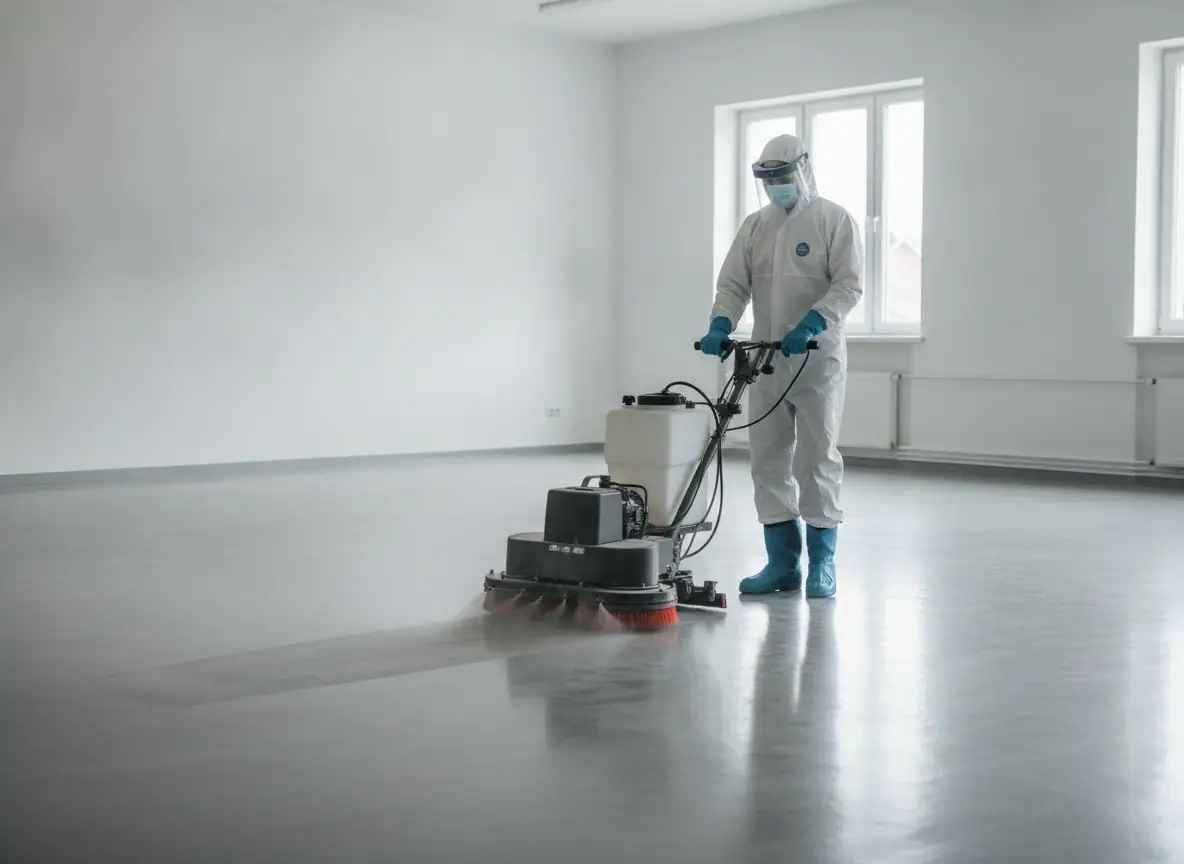
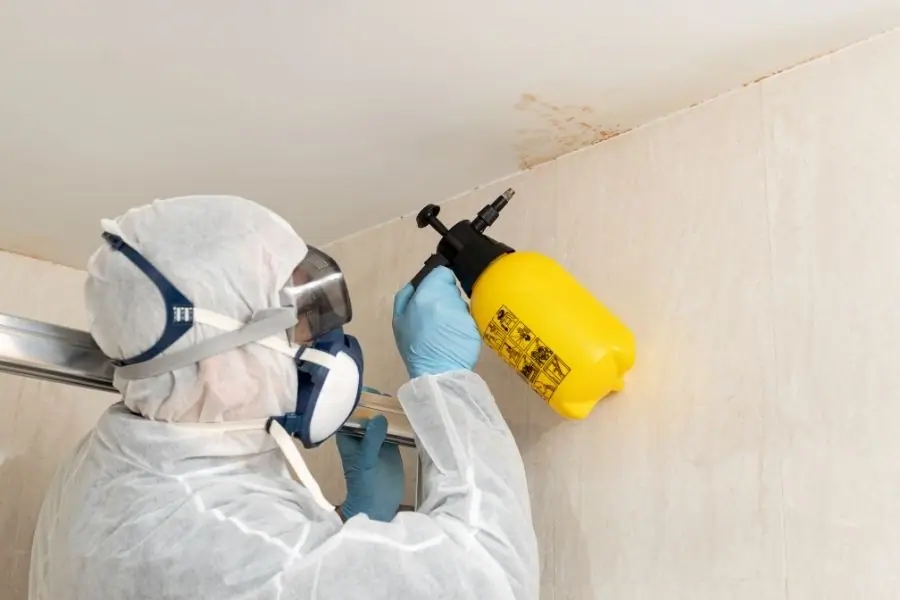
- Cleaning and disinfection: Remaining surfaces are cleaned and treated with hospital-grade disinfectants, with required dwell times.
- Odor treatment: Lingering odor is treated at its source, which matters most for decomposition scenes.
- Final check and disposal: The area is inspected again, and waste is transported for proper disposal.
Rebuilding removed flooring or drywall is separate work and adds time. Once you know the scope and timeline, the next question for most families is whether insurance will pay for it.
Is biohazard cleanup covered by insurance?
Yes. Homeowners and renters insurance often covers biohazard remediation and structural removal, which usually leaves the policyholder responsible for the deductible. Coverage limits, exclusions and coverage for personal belongings vary by policy.
Many property policies treat sudden, accidental contamination of the home as covered damage. That includes contamination from a crime, a suicide or an unattended death. Coverage commonly applies to cleaning, disinfection, removal of contaminated building materials, and sometimes repair. Personal belongings such as a mattress, sofa or clothing may fall under a separate contents limit. Some policies cap biohazard or remediation costs, and some exclude certain causes.
Read your declarations page or call your agent to confirm your deductible and limits. Whether insurance applies also depends on who is responsible for the property, so the next step is to sort out who pays.
At a glance
Who pays for biohazard cleanup?
Usually the property owner or the owner's insurer pays. Renters, landlords and state victim compensation programs each play different roles depending on what was damaged and how the incident happened.
| Party | What they typically pay for | Things to check |
|---|---|---|
| Homeowner (through homeowners insurance) | Remediation of the structure, removal of contaminated building materials, and often contents | Deductible, remediation limits, contents coverage, exclusions |
| Renter (through renters insurance) | The renter's personal belongings, and sometimes additional living expenses | Renters policies usually do not cover the building itself |
| Landlord or property owner | Cleanup of the unit's structure, flooring and walls, often through the landlord's property policy | Lease terms, landlord's policy, timing for re-renting the unit |
| State victim compensation program | Eligible crime-related cleanup costs, up to set limits | Eligibility rules, police report requirements, filing deadlines |
For tenant deaths and incidents in hotels and motels, the property owner and their insurer usually handle cleanup of the space. Whoever is paying, the claim process tends to go more smoothly with help.
How do we help with insurance claims?
Trusted Crime Scene Cleanup helps homeowners with insurance claims by documenting the scene and providing the paperwork your insurer needs. That leaves you fewer calls to make during a hard time.
Here is how the claim process generally works:
- Call us and your insurer: Report the incident to your insurance company and request a claim number. Call us at +1 (945) 941 21-70 for a free inspection.
- Free inspection and documentation: We inspect the scene and record the affected areas and materials with photos and notes.
- Written quote: We prepare a written quote showing the scope of work, which you can share with your adjuster.
- Adjuster communication: We can answer the adjuster's questions about the scope and why specific materials must be removed.
- Cleanup and records: After the work is approved, we complete the cleanup and provide records of what was done and how waste was disposed of.
- Deductible and balance: You are typically responsible for your deductible and any amount outside your coverage.
Your insurer makes the final coverage decision. When insurance does not apply, or does not cover everything, victim compensation programs may help.
Are there victim compensation programs?
Yes. Every state runs a crime victim compensation program, and many of them reimburse eligible crime-related cleanup costs up to set limits.
These programs generally help victims of violent crime and their families. They are usually treated as a payer of last resort, meaning insurance is applied first. Common requirements include:
- The crime was reported to law enforcement, often within a set time frame
- The applicant cooperates with the investigation
- The application is filed before the program's deadline
- Itemized invoices and receipts are submitted for the costs claimed
Eligibility, covered expenses and dollar caps differ by state. Suicide and unattended death cleanup may not qualify if no crime occurred. A victim advocate at your local police department or prosecutor's office can point you to your state's program. If there is a gap between coverage and cost, financing is another option.
Is financing available?
Yes. Trusted Crime Scene Cleanup offers financing, so you can pay for cleanup over time instead of all at once.
Free inspection and financing: Every job starts with a free inspection and a written quote. If the cost is not fully covered by insurance or a compensation program, ask us about financing when we review your quote. That way you can approve the work you need without waiting on every payer to respond.
Financing can help with deductibles, items outside your policy limits, or jobs that insurance does not cover at all. Since every option starts with an estimate, here is how that inspection works.
How do free estimates and inspections work?
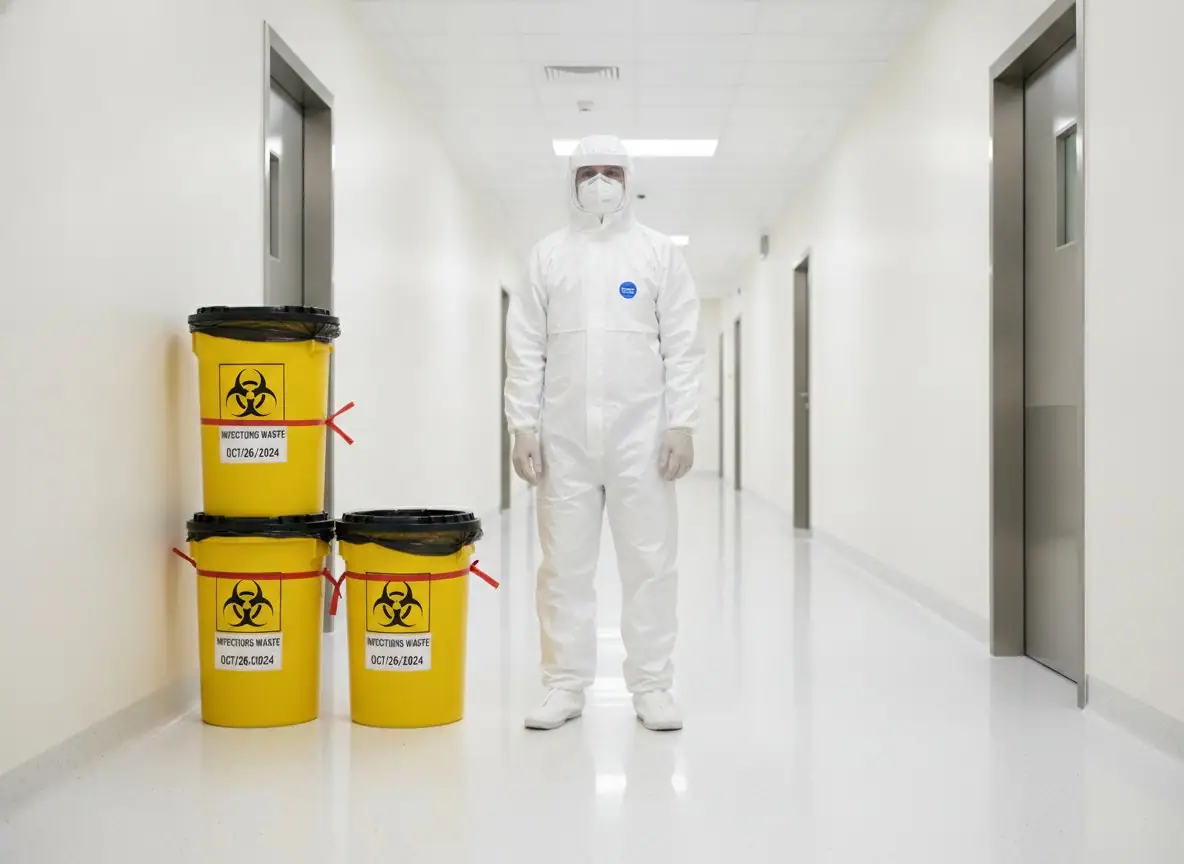
We inspect the scene at no cost, explain what needs to be done, and give you a written quote before any work begins.
During the inspection we look at how far contamination spread, which materials are affected, whether odor is present, and how easy each area is to reach. We explain which materials can be disinfected in place and which must be removed. Our 24/7 emergency service means you can call at any hour.
What to tell us for a faster estimate
You can help us narrow the estimate quickly by sharing a few details when you call:
- Incident type: for example a suicide, homicide, assault, unattended death, or drug-related contamination
- Number of rooms affected and whether contamination reached hallways, stairs or a vehicle
- Surface types: carpet, hardwood, tile, upholstered furniture, mattress
- Time elapsed: roughly how long before the scene was discovered
- Odor or insects: whether either is present
- Property type: owned home, rental unit, commercial space, hotel room or vehicle
- Insurance details: your insurer's name and claim number, if you have one
A clear inspection process also protects you from unexpected charges, which is the next thing to look for when choosing a company.
How do you choose a company without surprise costs?
Choose a company that inspects before quoting, puts the scope in writing, and explains any change before doing extra work.
Use these points to compare providers:
- Written quote: Ask for a written quote that lists the areas, materials and steps involved, not just a total.
- Change policy: Ask how hidden contamination, such as fluid under flooring, will be handled and approved.
- Insurance help: Confirm whether the company will document the scene and work with your adjuster.
- Waste disposal: Ask how biohazardous waste is packaged, transported and disposed of.
- Insurance status: Trusted Crime Scene Cleanup is insured.
- Services offered: Make sure the company handles your situation. Our crime scene and biohazard cleanup services include odor removal, fingerprint dust cleanup, vehicle biohazard cleanup, and drug lab and fentanyl decontamination.
Be cautious of firm prices given over the phone without an inspection, and of pressure to sign before you understand the scope. When you are ready, getting your own estimate is simple.
Request your free estimate
To get a written quote, call our 24/7 line at +1 (945) 941 21-70 or use the free estimate form on this page.
Trusted Crime Scene Cleanup provides crime scene cleanup, biohazard cleanup and unattended death cleanup across the United States. We offer free inspections, help with insurance claims, and financing. You can also request a free estimate online and tell us the incident type and number of rooms affected so we can prepare.
FAQ
Frequently asked questions
Does homeowners insurance cover crime scene cleanup?
Often, yes. Many homeowners policies cover biohazard remediation and removal of contaminated building materials, leaving you responsible for the deductible. Limits, exclusions and contents coverage vary, so confirm the details with your agent. We can help document the scene for your claim.
Does renters insurance cover biohazard cleanup?
Renters insurance usually covers your personal belongings and sometimes additional living expenses, but not the building itself. Cleanup of walls, floors and other structural parts of the unit is typically the landlord's responsibility, often through the landlord's property policy.
Do you offer payment plans?
Yes, financing is available. Ask about it when we review your written quote, especially if part of the cost falls outside your insurance coverage.
Will the estimate change after you inspect the scene?
A phone conversation can only give a general idea. The written quote we provide after the free inspection reflects what we actually find. If hidden contamination turns up during the work, such as fluid under flooring, we explain it and discuss it with you before doing additional work.
How do I become a crime scene cleanup?
Most people enter the field by joining an established cleanup company and training on the job. Common training includes OSHA bloodborne pathogens training, proper use of personal protective equipment, respirator fit testing and, for some chemical or drug lab work, hazardous materials training. Requirements vary by state, so check your state's rules for biohazard and waste handling.
Is crime scene cleaner a good career?
It can be for people who are steady under stress, careful with safety procedures, and comfortable with physically and emotionally demanding work. The job involves irregular hours, strong odors and difficult scenes, and it also means helping families at a very hard time. Anyone considering it should plan for ongoing safety training and good self-care.
For a free inspection and a written quote, call Trusted Crime Scene Cleanup at +1 (945) 941 21-70, available 24/7.
Why choose us
Why choose Trusted Crime Scene Cleanup?
Free estimates
Get a clear, no-obligation estimate before any work begins.
Licensed & insured
Your property and our crew are protected on every project.
Residential & commercial
One team for homes, multi-family and commercial properties.
Locally owned & operated
A local team serving your community and the surrounding area.
Get in touch
Find crime scene cleanup help near you
Request a free estimate online or give us a call — our team will follow up quickly.
- Call us+1 (945) 941 21-70
- Hours24h