Biohazard Cleanup in Arlington, TX — Insurance-Covered, $0 Out of Pocket
Professional Biohazard Cleanup in Arlington, TX — Licensed, Insured & Locally Owned
Trusted Crime Scene Cleanup provides expert crime-scene-cleanup solutions built for Arlington, TX. As a locally owned, licensed team, we deliver quality work tailored to local needs and conditions.
When a traumatic event leaves behind blood, bodily fluids, chemical contamination, or other biological hazards, the property owner’s first instinct is often to handle it alone — or to worry about the cost of professional help. Trusted Crime Scene Cleanup eliminates that worry entirely. Our licensed biohazard remediation technicians respond 24 hours a day, 7 days a week to homes, businesses, and public properties throughout Arlington, TX and the surrounding DFW Metroplex.
Most homeowners and property insurance policies typically cover 100% of professional biohazard cleanup — meaning you pay nothing out of pocket. We contact your insurer, document every step of the remediation, and handle the claim paperwork so you can focus on your family and your recovery. From crime scene decontamination to unattended death cleanup, our certified team uses EPA-registered disinfectants and OSHA-compliant protocols to restore your property to a safe, livable condition — quickly, discreetly, and at no direct cost to you.
Understanding Biohazard Cleanup Services
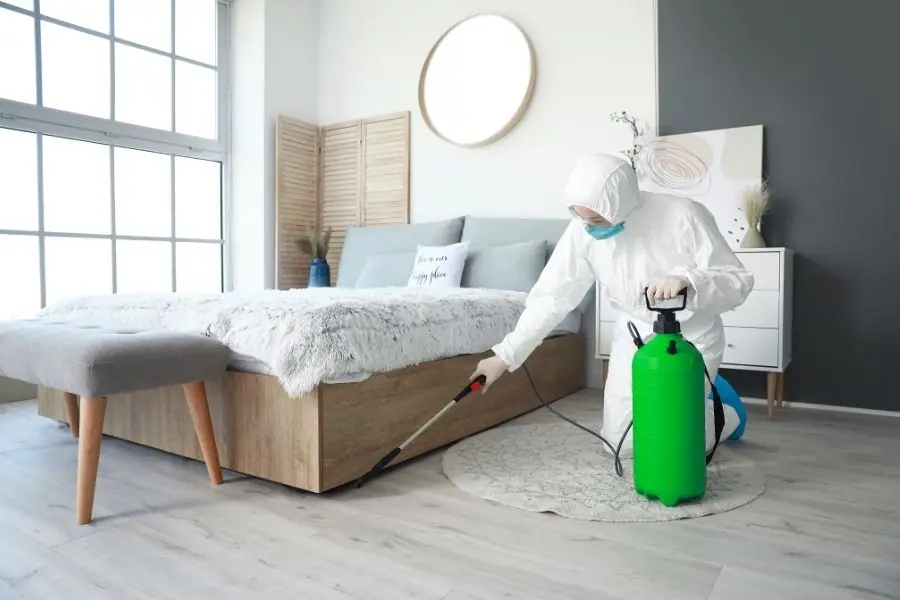
Biohazard cleanup — also called biohazard remediation or trauma scene cleaning — is the professional process of removing, disinfecting, and safely disposing of biological materials that pose a risk to human health. These materials include blood, bodily fluids, human tissue, feces, vomit, and chemical substances such as methamphetamine residue or fentanyl powder. Because these materials may carry bloodborne pathogens like HIV, Hepatitis B, Hepatitis C, MRSA, and other infectious agents, cleanup must comply with strict OSHA Bloodborne Pathogen Standard 29 CFR 1910.1030, EPA disposal regulations, and Texas Department of State Health Services guidelines for medical waste.
The scope of biohazard cleanup encompasses a wide range of traumatic events:
Read moreShow less
- Crime Scene Cleanup: Removal of blood and biological material following homicide, assault, or robbery investigations.
- Trauma Scene Cleanup: Remediation after accidents, industrial injuries, or emergency medical events.
- Unattended Death and Decomposition Cleanup: Decontamination of spaces where a body was not discovered for an extended period, producing odor-causing gases and fluids that penetrate flooring, subfloor, drywall, and HVAC systems.
- Suicide Cleanup: Compassionate, discreet restoration of residential and commercial properties following self-inflicted injury or death.
- Infectious Disease Decontamination: Sanitization of spaces contaminated by contagious illness outbreaks.
- Meth Lab and Fentanyl Decontamination: Specialized chemical remediation of properties used for drug manufacturing or storing illicit substances.
- Bodily Fluid Cleanup: Safe removal of feces, urine, vomit, or blood from any surface or material.
In the DFW Metroplex, Arlington’s rapid population growth — the city surpassed 400,000 residents as of the 2020 U.S. Census, making it the largest city in the United States without a public transit system — means that diverse housing stock, commercial corridors along I-30 and TX-360, and high-density rental communities all generate demand for professional biohazard services. Multi-family apartment complexes, aging 1970s-era ranch homes in South Arlington, and newly built mixed-use developments near AT&T Stadium each present unique remediation challenges related to building materials, HVAC layout, and moisture infiltration patterns common to North Texas.
Trusted Crime Scene Cleanup technicians are trained to assess every property type — from slab-on-grade residential homes that dominate Arlington’s housing stock to commercial strip centers along Division Street — and tailor the remediation strategy accordingly. Learn more about our crime scene cleanup services
Why Professional Biohazard Cleanup Is Needed in Arlington, TX
Arlington’s Climate Accelerates Biohazard Risks
Arlington sits within USDA Hardiness Zone 8a and experiences a humid subtropical climate that creates serious complications for any unaddressed biological contamination. Summer temperatures routinely exceed 100°F — the Arlington Regional Airport weather station recorded a high of 108°F during the July 2023 heat dome event — and high humidity levels (averaging 65–75% relative humidity during spring and fall) accelerate bacterial growth, bodily fluid decomposition, and the spread of airborne pathogens inside enclosed spaces. A blood spill that might remain relatively stable for 48 hours in a cooler climate can develop dangerous levels of bacterial colony growth within 6–12 hours in an Arlington home during a Texas summer, particularly in rooms with limited air conditioning.
The region’s expansive clay soils — classified as Houston Black Clay and Heiden Clay series — are common beneath Arlington’s slab foundations and are highly absorptive. When biological fluids penetrate a cracked or porous concrete slab (a frequent issue in older homes in the Dalworthington Gardens and Pantego neighborhoods), the clay substrate beneath can wick and retain contamination far beyond the visible stain, making professional extraction and testing essential.
High-Density Housing and Population Growth
Arlington’s population grew by approximately 8.6% between 2010 and 2020, fueling construction of dense apartment complexes near the University of Texas at Arlington campus, along Collins Street, and in the entertainment district adjacent to Globe Life Field and AT&T Stadium. High-density housing increases the likelihood that a biohazard event in one unit will affect adjacent units through shared HVAC ductwork, wall cavities, and sub-flooring — requiring coordinated multi-unit remediation that only a professional company is equipped to manage.
Named Events and Community Impact
The Tarrant County Medical Examiner’s Office, which serves Arlington, processed a record number of unattended death cases during the COVID-19 pandemic years of 2020–2021, straining resources and extending the time before some decedents were discovered. Extended decomposition dramatically increases remediation scope and cost. Similarly, Tarrant County law enforcement agencies reported a 14% increase in violent crime incidents between 2019 and 2022 according to Texas DPS Crime in Texas reports, each potentially leaving behind biohazardous scenes requiring professional attention.
Fentanyl contamination has emerged as a significant concern across the Metroplex. The Arlington Police Department reported multiple fentanyl-related overdose deaths during 2022 and 2023 in residential neighborhoods including portions of Southeast Arlington near Sublett Road and in motels along West Division Street. Fentanyl dust residue can remain active on surfaces at dangerous levels invisible to the naked eye, requiring air sampling, wipe testing, and professional decontamination.
Property Values and Legal Obligations
Texas property code and common law impose disclosure obligations on property sellers aware of material defects, and improperly remediated biohazard contamination can constitute such a defect. In Arlington’s competitive real estate market — where median home values reached approximately $285,000 in 2023 — professional documentation of a certified biohazard remediation can protect property value and shield landlords and sellers from future liability. Unattended death cleanup services in the DFW area
Free, no-obligation estimates
Talk to Trusted Crime Scene Cleanup
Tell us what you need and we’ll take it from there.
Signs You Need Professional Biohazard Cleanup
Visible Biological Contamination
- Blood stains, splatter, or pooling on floors, walls, ceilings, furniture, or fixtures
- Visible bodily fluids (urine, feces, vomit) covering an area larger than one square foot
- Human tissue, bone fragments, or biological matter present after a traumatic event
- Visible mold growth appearing within 48–72 hours of a fluid spill on porous surfaces
Odor Indicators
- A persistent, sweet-putrid odor indicating decomposition — especially in rooms that were recently unoccupied
- Strong ammonia smell associated with urine saturation of flooring or subfloor materials
- Chemical odors consistent with drug manufacturing residue (solvents, cat urine smell of meth production)
Environmental and Structural Warning Signs
- Staining that has penetrated beyond finished flooring into concrete slab or subfloor — common in Arlington slab-on-grade homes built before 1990
- HVAC system distributing odors to unaffected rooms, indicating biological material has entered ductwork
- Insect activity (flies, beetles) in an enclosed space, potentially indicating an unattended death
Urgency Indicators — Call Immediately
- Any scene involving a death, whether attended or unattended
- Confirmed or suspected fentanyl or methamphetamine presence — do NOT attempt self-cleanup
- Known or suspected infectious disease contamination (TB, Hepatitis, MRSA)
- Law enforcement has cleared a crime scene and released it back to the property owner
Biohazard Remediation Methods and Approaches
1. Manual Extraction and Structural Demo
For scenes involving significant fluid saturation — such as unattended deaths where decomposition fluids have penetrated subfloor materials — physical removal of affected drywall, flooring, and insulation is the only reliable remediation method. This is especially common in Arlington homes built between 1965 and 1985 that feature original hardwood subfloor over slab construction.
2. Hospital-Grade Chemical Disinfection
EPA List Q and List N registered disinfectants are applied using electrostatic sprayers for full surface coverage. This method is standard for all crime scene and trauma cleanup scenarios and is the primary method for infectious disease decontamination in commercial settings along Randol Mill Road and the I-20 industrial corridor.
3. Thermal Fogging and Hydroxyl Treatment
Odor control requires reaching molecules embedded in porous surfaces. Thermal fogging introduces deodorizing particles at sizes small enough to penetrate wall voids and HVAC ducts. Given Arlington’s central air systems (virtually all homes), HVAC deodorization treatment is standard protocol.
4. Specialized Chemical Neutralization for Drug Properties
Meth lab and fentanyl contamination require chemical neutralization agents specific to the substances identified. Fentanyl decontamination follows CDC interim guidelines and requires wipe-sampling before and after treatment to confirm decontamination success. This method is increasingly called upon in Arlington motels, short-term rental properties, and residential neighborhoods in East and Southeast Arlington.
5. Air Scrubbing and Negative Pressure Ventilation
HEPA-filtered air scrubbers running at 4 air changes per hour maintain negative pressure within containment zones and capture airborne biological particles, preventing cross-contamination to unaffected areas of the property. Infectious disease decontamination services
Arlington Neighborhoods We Serve
South Arlington (Sublett, Southeast Community)
Homes in South Arlington along Sublett Road and Green Oaks Boulevard were largely built between 1975 and 1995 on expansive clay soil that causes slab movement and cracking — creating pathways for biological fluid to penetrate the foundation. This area also has higher rates of rental properties, increasing the frequency of tenant-related trauma events. We respond regularly to this area and understand its specific structural challenges.
North Arlington (Viridian, Interlochen)
North Arlington’s newer master-planned communities feature open-concept floor plans with large continuous slab areas and shared HVAC zones — meaning contamination from one area can quickly spread through ductwork. Our team uses HVAC isolation protocols on every North Arlington job.
Downtown and Pantego Area
The historic Pantego enclave (76013 ZIP code) and central Arlington’s older commercial corridors along Division Street feature mixed-use buildings and 1950s–1970s era construction with plaster walls, original hardwood flooring, and uninsulated crawl spaces that require specialized assessment. We are experienced with both the older residential stock and commercial properties in this central corridor.
We also serve Grand Prairie, Mansfield, Kennedale, Forest Hill, Haltom City, Dalworthington Gardens, Richland Hills, North Richland Hills, Bedford, Euless, Hurst, Irving, Cedar Hill, Duncanville, and Fort Worth. View all service areas in the DFW Metroplex
Why Choose Trusted Crime Scene Cleanup in Arlington, TX
When you face a biohazard emergency, you need a team that is fast, discreet, technically expert, and financially accessible. Trusted Crime Scene Cleanup delivers all four:
24/7 Response, 2–4 Hour Arrival:
24/7 Response, 2–4 Hour Arrival:We respond to Arlington and all Tarrant County communities around the clock, including holidays. Biological contamination cannot wait for business hours.
Insurance-Managed, Zero Upfront Cost:
Insurance-Managed, Zero Upfront Cost:We handle your insurance claim from first call to final invoice. Most customers pay $0. We work with all major Texas insurers.
OSHA and IICRC-Compliant Technicians:
OSHA and IICRC-Compliant Technicians:All remediation follows OSHA Bloodborne Pathogen Standards and industry-recognized IICRC S540 trauma and crime scene remediation guidelines.
Discreet, Compassionate Service:
Discreet, Compassionate Service:We arrive in unmarked vehicles and handle every situation with respect for your privacy and your grief.
Local Expertise:
Local Expertise:Our team knows Arlington’s building stock, clay soil conditions, HVAC configurations, and works regularly with Tarrant County medical examiners, law enforcement, and property managers.
Certified Biohazard Disposal:
Certified Biohazard Disposal:All biological waste is transported to licensed Texas-permitted medical waste disposal facilities in full compliance with Texas Health & Safety Code Chapter 361.
FAQ
Frequently Asked Questions — Biohazard Cleanup in Arlington, TX
Does homeowners insurance really cover biohazard cleanup?
In most cases, yes. Standard Texas HO-3 homeowners policies and most landlord/dwelling fire policies cover professional biohazard remediation under the “sudden and accidental loss” clause or as part of additional living expense or property damage coverage. We verify your specific policy before beginning work. While we cannot guarantee every policy will cover every scenario, the vast majority of our Arlington clients pay $0 out of pocket.
How quickly can you respond to a biohazard scene in Arlington?
We maintain response resources throughout the DFW Metroplex and typically arrive at Arlington locations within 2–4 hours of your call, any time of day or night. During extreme weather events — such as the February 2021 Winter Storm Uri freeze event that overwhelmed Tarrant County emergency services — response times may extend slightly, but we prioritize every call and communicate your ETA clearly.
What is the typical cost of biohazard cleanup in Arlington, TX?
Market rates range from approximately $500 for minor bodily fluid cleanup to $25,000 or more for severe decomposition with structural involvement. Because most costs are covered by insurance, the number that matters most to you is typically $0 — your out-of-pocket amount. We provide a full cost documentation to your insurer.
Will you clean up after an unattended death in Arlington?
Yes. Unattended death and decomposition cleanup is one of our primary services. We work with the Tarrant County Medical Examiner’s office regularly and can begin remediation immediately after the scene is released by law enforcement. Given Arlington’s summer temperatures, rapid response is especially critical to limit decomposition spread. Learn more about unattended death cleanup
Is fentanyl cleanup different from regular biohazard cleanup?
Yes. Fentanyl is a synthetic opioid that can cause respiratory depression or death in quantities as small as 2 milligrams — an amount invisible to the naked eye. Standard biohazard disinfectants do not neutralize fentanyl. Proper fentanyl decontamination requires Level B PPE, specialized neutralizing agents, surface wipe testing, and clearance sampling following CDC interim guidelines. Our team is equipped and trained for fentanyl scenes throughout Arlington. Fentanyl decontamination services
Do you clean meth labs in the Arlington area?
Yes. Meth lab remediation in Texas is governed by Texas Health & Safety Code Chapter 365 and requires post-remediation clearance testing to confirm chemical levels are below 0.1 micrograms per 100 cm² — the Texas DSHS standard. Our team is experienced with the documentation and testing protocols required to relist a property and satisfy insurance and real estate disclosure requirements.
Will your team arrive in unmarked vehicles?
Yes. We understand the sensitivity of these situations. Our technicians arrive in unmarked vehicles to protect your privacy and minimize visible disruption to your home or business. All communications with neighbors or property managers are handled discreetly at your direction.
Do I need to be present during the cleanup?
You do not need to be present for the remediation itself — in fact, many clients prefer not to be. You will need to be available at the start (or designate a representative) to authorize access and sign insurance-related paperwork. After that, we handle everything and contact you when the job is complete and certified clear.
Get in touch
Find crime scene cleanup help near you
Request a free estimate online or give us a call — our team will follow up quickly.
- Call us+1 (945) 941 21-70
- Hours24h